Technology Management is at the forefront of modern business strategies, acting as a catalyst for growth and innovation. In an era where digital transformation is essential for survival, understanding how to manage technology effectively can set organizations apart from their competitors. By embracing technology management practices, businesses can streamline operations, enhance efficiency, and foster a culture that encourages innovative thinking.
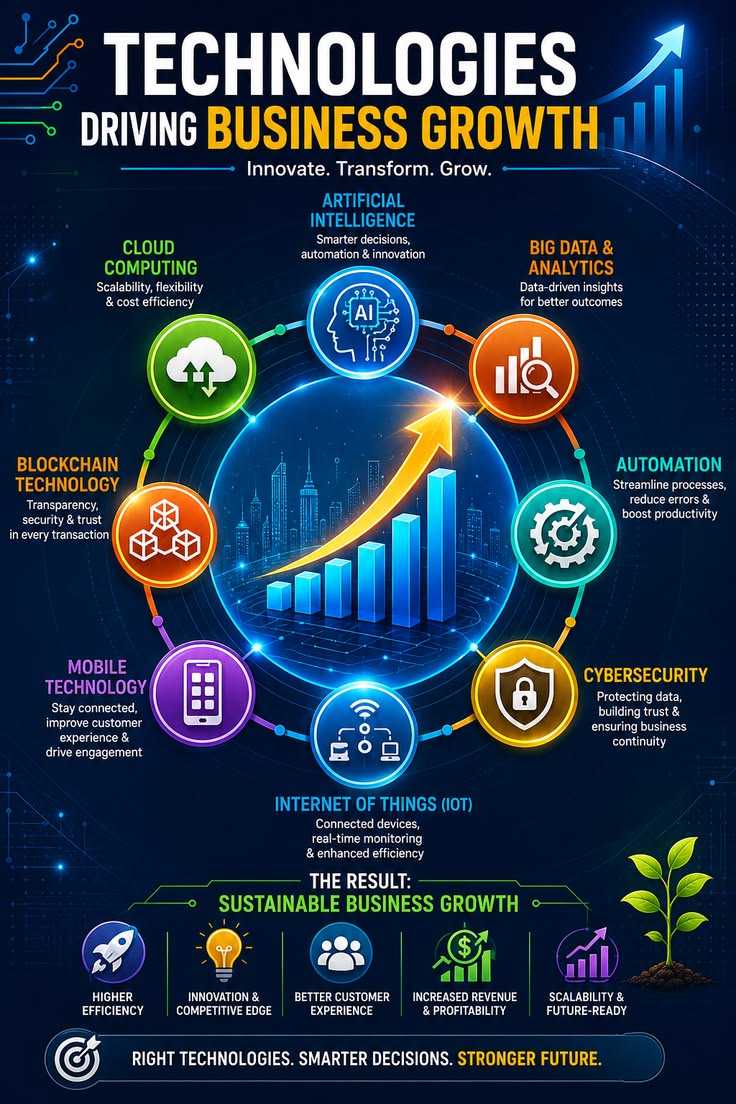
From startups to established enterprises, effective technology management has proven to be a game changer, driving profitability and success across various sectors.
The integration of technology into business processes not only facilitates smoother operations but also opens avenues for new opportunities. Organizations that prioritize technology management can leverage tools and systems to respond swiftly to market changes and customer demands. As we explore this topic, we will delve into case studies and examples that highlight the profound impact of technology management on organizational growth and innovation.
The Role of Technology Management in Business Growth
Technology management plays a pivotal role in driving business growth. In today’s competitive landscape, companies that effectively manage technology can not only enhance their operational efficiency but also create new business opportunities. By strategically leveraging technology, organizations can innovate their products and services, streamline processes, and improve customer experiences. The integration of advanced technologies allows companies to respond more swiftly to market changes, which is critical for sustained growth.One notable case study is that of Amazon, which has utilized advanced technology management practices to dominate the e-commerce space.
By implementing robust supply chain management systems and utilizing data analytics, Amazon has been able to optimize its inventory and enhance customer satisfaction. Similarly, Tesla’s use of technology management in its manufacturing processes has allowed the company to improve production efficiency and innovate in electric vehicle technology. These examples highlight how effective technology management strategies can lead to significant growth and market leadership.Successful technology management strategies vary across industries but often include investing in research and development, adopting agile methodologies, and leveraging big data.
For instance, in the healthcare sector, companies like Siemens have successfully implemented technology management practices to enhance patient care through telemedicine and advanced imaging technologies. These strategies not only foster innovation but also contribute to organizational growth by improving service delivery and operational efficiency.
The Importance of Innovation within Technology Management
Innovation is deeply intertwined with technology management, serving as a catalyst for organizational success. As businesses strive to remain competitive, the ability to innovate becomes critical. Technology management facilitates this by providing a structured approach to exploring new ideas, processes, and technologies. Companies that prioritize innovation within their technology management practices often experience enhanced productivity and improved market positioning.Fostering a culture of innovation can be achieved through various methods.
For starters, organizations should encourage cross-department collaboration, allowing diverse teams to share insights and ideas. Creating dedicated innovation labs or teams can also be effective, providing employees with the resources and environment needed to experiment with new concepts. Moreover, implementing feedback mechanisms enables organizations to learn from both successes and failures, further promoting a culture of continuous improvement.Technological innovations significantly impact organizational efficiency and effectiveness.
For example, the introduction of automation tools can lead to reduced operational costs and improved accuracy in tasks such as data entry or supply chain management. Moreover, innovations like cloud computing allow organizations to scale their operations easily and flexibly, adapting to changing market demands without substantial upfront investments. As a result, organizations that leverage technology management to drive innovation are better positioned to achieve their strategic goals.
Challenges Faced in Implementing Technology Management Strategies
Organizations encounter several challenges when implementing technology management strategies. Key challenges include:
- Resistance to Change: Employees may be hesitant to adopt new technologies or processes, fearing disruption to their routines.
- Lack of Expertise: Insufficient knowledge or skills within the workforce can hinder the effective implementation of technology initiatives.
- Budget Constraints: Allocating resources for technology management can be difficult, especially in organizations with tight budgets.
- Integration Issues: New technologies must often be integrated with existing systems, which can be complex and time-consuming.
- Rapid Technological Advancements: Keeping up with the fast pace of technological change can overwhelm organizations, making it hard to prioritize initiatives.
To overcome these challenges, organizations can implement several solutions. Firstly, investing in training and development programs can help employees become more comfortable with new technologies. Creating a clear communication strategy that Artikels the benefits of technology management can also ease resistance to change. Allocating a dedicated budget for technology initiatives ensures that resources are available when needed, while involving stakeholders in the integration process can lead to smoother transitions.
Lastly, staying informed about technological trends through partnerships with tech firms can help organizations anticipate changes and adapt accordingly.Companies like Ford have successfully navigated these challenges by fostering a culture of innovation and investing in employee training. By emphasizing the importance of technology management and involving employees in decision-making, Ford has enhanced its operational efficiency and maintained market relevance.
The Impact of Emerging Technologies on Technology Management Practices
Emerging technologies are significantly reshaping technology management practices across industries. Innovations like artificial intelligence (AI), blockchain, and the Internet of Things (IoT) bring both opportunities and challenges to organizations. These technologies can enhance decision-making processes, improve data security, and optimize operational efficiencies.AI, for instance, provides businesses with advanced analytics capabilities, allowing for more informed decision-making based on real-time data. Blockchain introduces a new level of security and transparency in transactions, which can be invaluable in supply chain management.
Meanwhile, IoT devices enable organizations to gather vast amounts of data from operations, leading to insights that can drive improvements.
| Technology | Advantages | Disadvantages |
|---|---|---|
| Artificial Intelligence | Enhanced decision-making, automation of repetitive tasks | High implementation costs, potential job displacement |
| Blockchain | Increased security, transparency in transactions | Complexity in integration, regulatory challenges |
| Internet of Things | Real-time data collection, improved operational efficiency | Data privacy concerns, reliance on network connectivity |
These technologies will require technology managers to adapt their strategies and frameworks to incorporate new workflows, ensuring that organizations remain competitive in a rapidly changing digital landscape.
The Role of Leadership in Effective Technology Management
Leadership is critical in shaping how technology management is perceived and executed within an organization. Effective leaders not only understand the technological landscape but also inspire their teams to embrace innovation and change. A strong leadership presence can drive the adoption of new technologies, ensuring that the organization remains competitive.Key leadership qualities necessary for managing technology effectively include vision, adaptability, and communication skills.
Visionary leaders can foresee how emerging technologies can be harnessed to meet business objectives. Adaptability is crucial in a rapidly changing environment, as leaders must be willing to pivot and adjust strategies as necessary. Moreover, strong communication skills help leaders convey the importance of technology management to their teams, fostering buy-in and collaboration.Leadership can also drive the adoption of new technologies through strategic decision-making and resource allocation.
By prioritizing technology initiatives and aligning them with organizational goals, leaders can create a culture that values continuous improvement and innovation. For instance, when Satya Nadella became CEO of Microsoft, he shifted the company’s focus toward cloud computing and AI, leading to a significant turnaround in its market position. This example illustrates how leadership plays a pivotal role in steering technology management strategies toward successful outcomes.
Best Practices for Technology Management in Organizations
Implementing effective technology management practices is crucial for organizational success. A comprehensive list of best practices includes:
- Conduct regular technology assessments to identify areas for improvement.
- Promote cross-functional teams to encourage collaboration and innovation.
- Invest in employee training to enhance skills and knowledge.
- Establish clear goals and KPIs related to technology initiatives.
- Create a culture that encourages experimentation and learning from failures.
- Utilize data analytics to inform decision-making processes.
- Maintain flexibility to adapt to changing technological landscapes.
Continuous learning and adaptation are vital in technology management. Organizations that remain stagnant risk falling behind their competitors, making it essential to embrace emerging technologies and evolving best practices. By fostering a learning culture, organizations can encourage employees to stay informed about new developments and apply them effectively within their roles.
Measuring the Success of Technology Management Initiatives
Measuring the success of technology management initiatives is essential for understanding their impact on business performance. Organizations can employ various methods to assess effectiveness, including:
- Establishing clear Key Performance Indicators (KPIs) that align with organizational goals.
- Conducting regular performance reviews to evaluate progress and outcomes.
- Gathering feedback from employees and stakeholders to gauge satisfaction and engagement.
- Analyzing cost savings and efficiency improvements resulting from technology initiatives.
- Comparing performance metrics before and after the implementation of new technologies.
Relevant KPIs for technology management may include metrics related to productivity, cost savings, employee engagement, and customer satisfaction. For example, a company that implements a new customer relationship management system might track customer retention rates and sales growth as indicators of success.Companies like IBM have effectively measured their technology management success by utilizing data analytics to assess the impact of their cloud services on customer satisfaction and revenue growth.
Such evaluations provide valuable insights that inform future technology strategies and investments.
The Future of Technology Management in a Digital World
The future of technology management is poised for significant evolution as organizations increasingly embrace digital transformation. Anticipated trends over the next decade include a greater reliance on artificial intelligence, the integration of virtual and augmented reality in business processes, and the growing importance of cybersecurity measures.Future technology managers will need to cultivate a diverse skill set to thrive in this environment.
Skills related to data analysis, cyber risk management, and an understanding of emerging technologies will become increasingly valuable. Additionally, soft skills such as emotional intelligence and adaptability will play a crucial role in leading teams through technological changes.Future technologies likely to influence technology management practices include:
- Artificial Intelligence and Machine Learning
- Blockchain Technology
- Internet of Things (IoT)
- 5G Connectivity
- Augmented Reality and Virtual Reality
As these technologies continue to develop, organizations must remain agile and responsive, ensuring that their technology management frameworks evolve in tandem with the digital landscape.