Overview of Transportation Services for Regional Deliveries
Transportation services play a crucial role in regional delivery networks, ensuring that goods reach their destinations efficiently and effectively. As businesses expand and consumer expectations evolve, the need for reliable transportation services becomes paramount. These services not only facilitate the movement of goods but also contribute to the overall economy by connecting suppliers, retailers, and consumers.There are various types of transportation services available for regional deliveries, each tailored to meet specific needs and requirements.
Factors such as cost, speed, and the nature of the goods being transported influence the choice of transportation services. Companies must carefully evaluate these elements to choose the most appropriate option that aligns with their logistical needs.
Types of Transportation Services
Regional deliveries utilize several transportation modes, including road, rail, air, and sea. Each mode offers distinct advantages and disadvantages depending on the context of the delivery.
- Road: Ideal for flexible, door-to-door deliveries. However, it can be subject to traffic delays and higher fuel costs.
- Rail: Cost-effective for bulk shipments and long distances, yet limited by geographical constraints and timing schedules.
- Air: Fast and reliable for urgent deliveries, but significantly more expensive and subject to weight restrictions.
- Sea: Economical for large volumes over long distances, but slow and dependent on port facilities.
To better understand these transportation modes, here’s a comparison table summarizing key factors:
| Transportation Mode | Cost | Speed | Reliability |
|---|---|---|---|
| Road | Medium | Fast | Medium |
| Rail | Low | Slow | High |
| Air | High | Very Fast | High |
| Sea | Low | Very Slow | Medium |
Key Players in Transportation Services
Several major companies dominate the transportation services market for regional deliveries. These include established logistics firms like FedEx, UPS, and DHL, which offer a range of services tailored to different delivery needs. Logistics companies play a vital role in facilitating regional transport solutions by coordinating between various transportation modes and ensuring the smooth transfer of goods. Their expertise in supply chain management allows for optimized routes and reduced delivery times.Additionally, partnerships between transportation companies and local businesses enhance service efficiency.
By collaborating, companies can share resources, reduce costs, and improve service offerings, ultimately benefiting customers.
Technology in Transportation Services
Technology significantly impacts the efficiency of regional delivery services. Advanced tracking systems allow companies to monitor shipments in real-time, providing transparency and enhancing customer satisfaction. These systems enable businesses to inform customers of their delivery status, reducing uncertainty.Automation and AI are also transforming regional delivery logistics. Automated sorting and delivery systems streamline operations, while AI algorithms optimize route planning and inventory management.
This technological evolution is leading to faster, more reliable delivery services.
Challenges in Transportation Services
Transportation services in regional deliveries face several common challenges. One significant issue is the regulatory landscape, which varies by region and can impact logistics operations. Compliance with regulations may require additional resources and can slow down processes.Environmental concerns are increasingly shaping transportation practices as well. Companies are pressured to adopt sustainable practices to reduce their carbon footprint. This shift may involve investing in greener technologies or altering delivery methods to be more eco-friendly.
Innovations in Transportation Services
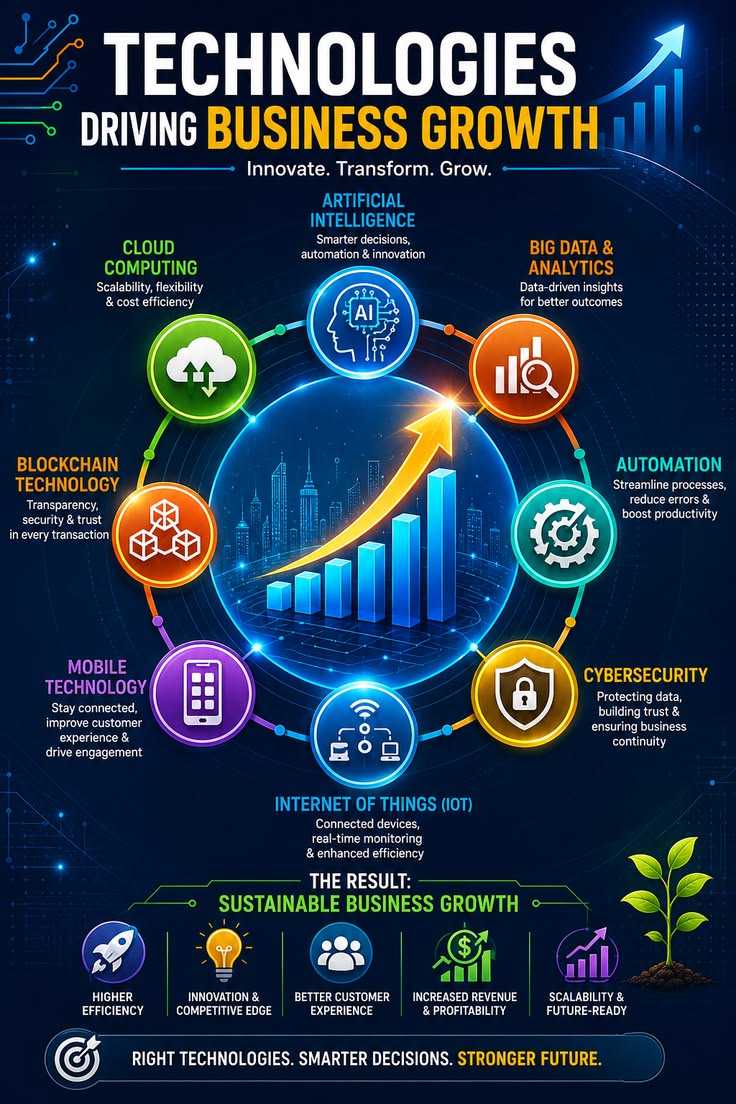
Emerging trends in transportation services for regional deliveries are reshaping the industry. Innovations such as electric vehicles and drone deliveries are gaining traction, promising to improve delivery times and reduce environmental impact.Examples of innovative solutions include the use of crowdsourced delivery apps, which leverage local drivers to fulfill orders quickly. Such platforms can enhance last-mile delivery efficiency, particularly in urban areas.Key technologies revolutionizing regional transportation services include:
- Blockchain for secure and transparent transactions.
- Internet of Things (IoT) devices for real-time tracking.
- Artificial Intelligence for predictive analytics.
- Electric and autonomous vehicles for eco-friendly deliveries.
Customer Expectations and Service Quality
Customer service is crucial in transportation for regional deliveries. With rising expectations for fast and reliable service, companies must prioritize customer satisfaction to remain competitive. Providing timely updates and responsive support can significantly enhance the customer experience.Measuring customer satisfaction in transportation services can involve methods like surveys and feedback forms. Analyzing this data helps companies identify areas for improvement and refine their service offerings.To enhance service quality in regional delivery systems, companies can adopt strategies such as investing in employee training and implementing quality control measures.
These efforts can lead to more consistent service and improved customer loyalty.
Future Trends in Transportation Services
The future of transportation for regional deliveries is likely to see significant developments. Trends such as increased automation and the rise of e-commerce are reshaping delivery expectations and logistics strategies. Potential disruptions in the transportation sector include the ongoing evolution of regulations and advancements in technology that may change operational practices. Companies must stay adaptable to navigate these changes effectively.Sustainability will also play a crucial role in shaping the future of regional transportation services.
As environmental concerns continue to rise, businesses will need to prioritize eco-friendly practices to meet regulatory requirements and customer expectations.