Best Car Insurance Providers for Full Coverage
Full coverage car insurance is more than just a financial safety net; it represents comprehensive protection for drivers against a variety of risks. This type of insurance goes beyond the minimum state requirements, offering peace of mind that can make a substantial difference in the event of an accident or other unfortunate incidents. Understanding the significance of full coverage in the insurance market is crucial, as it serves to protect not only the insured vehicle but also the driver’s financial well-being.Full coverage typically differs from other types of car insurance primarily in the breadth of protection it offers.
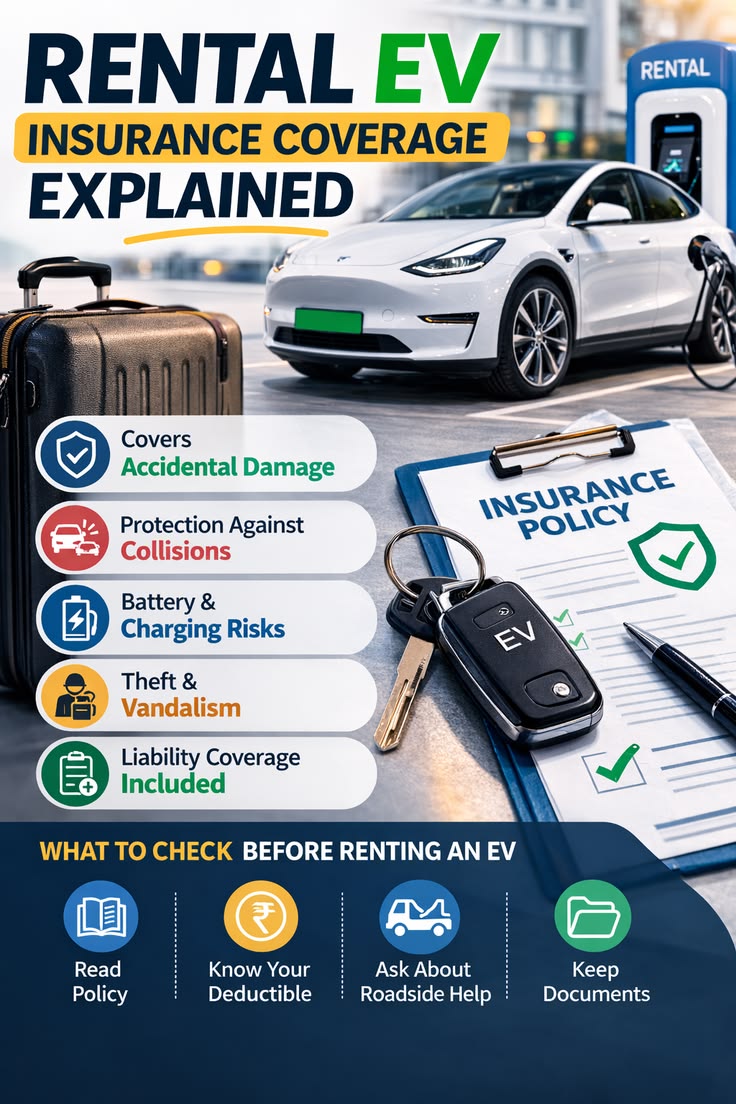
While basic liability insurance only covers damages to another party if you are at fault, full coverage includes liability, collision, and comprehensive insurance. Liability insurance covers bodily injury and property damage to others, while collision coverage pays for damage to your own vehicle regardless of fault. Comprehensive coverage goes a step further, protecting against non-collision incidents such as theft, vandalism, and natural disasters.For example, consider a scenario where a driver is involved in a minor accident.
With just liability insurance, they would only be covered for damages to the other driver’s car and any medical expenses incurred. However, with full coverage, the driver would also be able to claim for repairs to their own vehicle, ensuring they don’t have to bear the financial burden alone. Similarly, if a car is stolen or damaged in a hailstorm, comprehensive coverage would cover the loss or repair costs, illustrating its essential role in safeguarding against unforeseen events.
Comparison of Top Car Insurance Providers Offering Full Coverage
When it comes to selecting a car insurance provider for full coverage, it’s essential to compare different options. Below is a table highlighting four leading insurance companies and their full coverage offerings:
| Insurance Provider | Coverage Options | Strengths | Weaknesses |
|---|---|---|---|
| State Farm | Liability, Collision, Comprehensive, Rental Reimbursement | Wide network of agents, reliable claims process | Higher premiums for younger drivers |
| Geico | Liability, Collision, Comprehensive, Emergency Roadside Assistance | Affordable rates, user-friendly mobile app | Limited local agent access |
| Progressive | Liability, Collision, Comprehensive, Customizable options | Flexible policies, competitive pricing | Variable customer service experiences |
| Allstate | Liability, Collision, Comprehensive, Accident Forgiveness | Strong customer support, various discounts | Higher premium pricing compared to competitors |
User experiences with these providers vary. State Farm customers often praise the personalized service from local agents, while Geico users appreciate the ease of managing their policies online. However, some report challenges with Progressive’s claims process. Allstate’s reputation for customer service is strong, though it may come at a higher cost.
Factors to Consider When Selecting a Car Insurance Provider for Full Coverage
Choosing the right car insurance provider for full coverage involves several key factors that can significantly impact your experience and costs. Here are five considerations:
Premium Rates
The cost of coverage can vary widely between providers. Look for competitive pricing but also consider the value of the coverage.
Customer Service
Effective communication and support can enhance your insurance experience, especially during claims.
Policy Options
The availability of additional coverages and customization options can cater to specific needs.
Claims Process
A straightforward and efficient claims process is critical when you need to file a claim.
Discounts Available
Many providers offer discounts for safe driving, bundling policies, or being a member of certain organizations.For different driver profiles, consider the following:
- Young Drivers: Focus on affordability and educational resources.
- Experienced Drivers: Look for comprehensive coverage with added benefits.
- Families: Consider multi-car discounts and family-oriented policies.
- High-Risk Drivers: Seek providers that specialize in high-risk scenarios.
- Frequent Travelers: Evaluate coverage options that include rental car protection.
Understanding the Cost Implications of Full Coverage Car Insurance
Cost implications for full coverage car insurance can fluctuate based on various factors. Age, location, and driving history are significant contributors to premium rates. Younger drivers often face higher premiums due to inexperience, while urban dwellers might pay more than those in rural areas due to higher theft rates and traffic congestion.For instance, a 25-year-old driver in New York City could expect to pay significantly more for full coverage compared to a 40-year-old driver in a suburban area.
Furthermore, comparing quotes from different providers can reveal substantial cost differences for similar coverage, emphasizing the importance of shopping around.To lower full coverage premiums without compromising essential protection, consider these strategies:
Increase Deductibles
Opting for a higher deductible can reduce your premium.
Take Advantage of Discounts
Be sure to inquire about all available discounts.
Maintain a Clean Driving Record
Safe driving can lead to lower rates over time.
Bundle Policies
Combining auto with home or renters insurance often results in a discount.
Review Coverage Annually
Regularly reassessing your policy can keep costs in check.
The Role of Customer Service in Car Insurance Providers for Full Coverage
Customer service is a critical aspect of overall satisfaction with any insurance provider. Exceptional support can enhance the experience, especially during claims. The best providers often feature ratings that reflect positive customer interactions and efficient claims processing.For example, providers like Allstate and State Farm are known for their strong customer support, often reflected in high ratings from various consumer surveys.
Effective customer service not only streamlines the claims process but also builds trust and loyalty between the provider and policyholders.Here’s a summary of customer service features from top providers:
| Insurance Provider | Claims Processing Time | 24/7 Support Availability | Customer Satisfaction Rating |
|---|---|---|---|
| State Farm | Generally quick | Yes | 4.5/5 |
| Geico | Moderate | Yes | 4.4/5 |
| Progressive | Varies | Yes | 4.0/5 |
| Allstate | Usually efficient | Yes | 4.6/5 |
Tips for Making a Successful Full Coverage Insurance Claim
Filing a claim can be stressful, but following critical steps can help ensure a smooth process. After an incident, it’s important to:
1. Document Everything
Take detailed notes and photos of the accident scene, damages, and any injuries.
2. Notify Your Insurer Promptly
Report the incident as soon as possible to avoid complications.
3. Gather Necessary Information
Ensure you have all pertinent details, including other party information, police reports, and witness contact information.
4. Communicate Clearly
When speaking with an insurance adjuster, be honest and concise. Stick to the facts and avoid speculation.A checklist of necessary documentation includes:
- Accident reports
- Photos of damages
- Medical records (if applicable)
- Receipts for repairs or alternative transportation
- Any correspondence with the other party
Effective communication with the insurance adjuster can also make a difference. Prepare to discuss the events clearly and provide any requested information promptly to facilitate a speedy claims process.
Real-World Examples of Full Coverage Policies in Action
Full coverage insurance often proves invaluable in real-world situations. For instance, a family involved in a severe accident was thankful for their full coverage policy, which covered their medical costs and the replacement of their vehicle. Without this coverage, they could have faced significant financial hardship.Similarly, another driver experienced a theft of their vehicle. Thanks to their comprehensive coverage, they were able to recover the financial loss and purchase a new car rather than being left to cover the expenses out-of-pocket.
Cases of natural disasters, such as hail damaging vehicles, further illustrate the relevance of full coverage; policyholders were able to file claims for repairs that would have otherwise been financially devastating.Each of these scenarios shows how full coverage insurance can provide critical support during challenging times, illustrating its importance in protecting drivers and their families from unforeseen financial burdens.